Medu.game
module · acute care

ABCDE.
protocol

The evidence-based standard for the systematic assessment of the acutely ill patient. Practise the ABCDE approach until it becomes second nature, under time pressure, safely and repeatably, on any device.

4
scenarios + tutorial
increasing
in complexity
instant
feedback at every step
ABCDE
From protocol to mastery, from uncertainty to confidence.
from the game

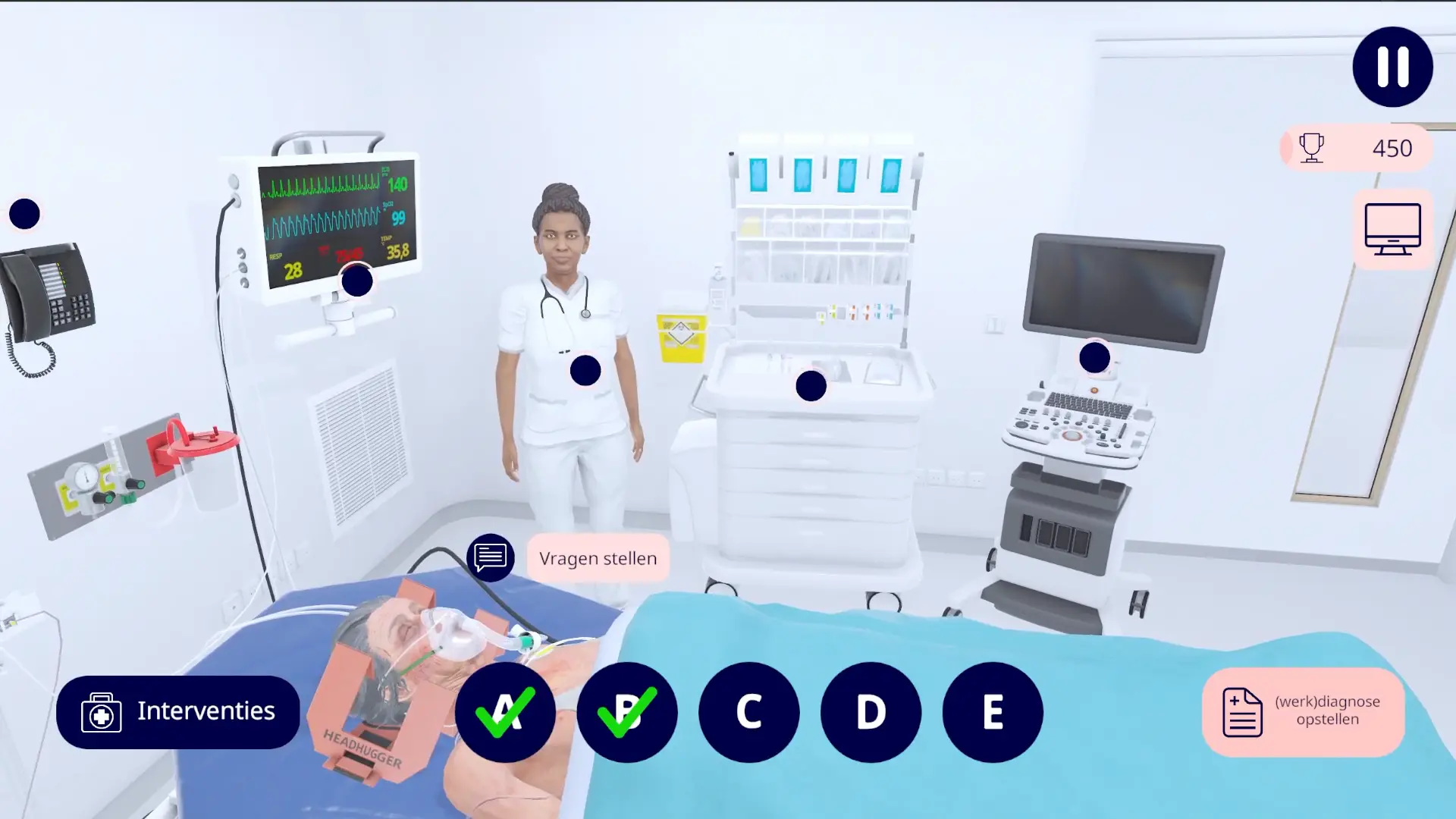
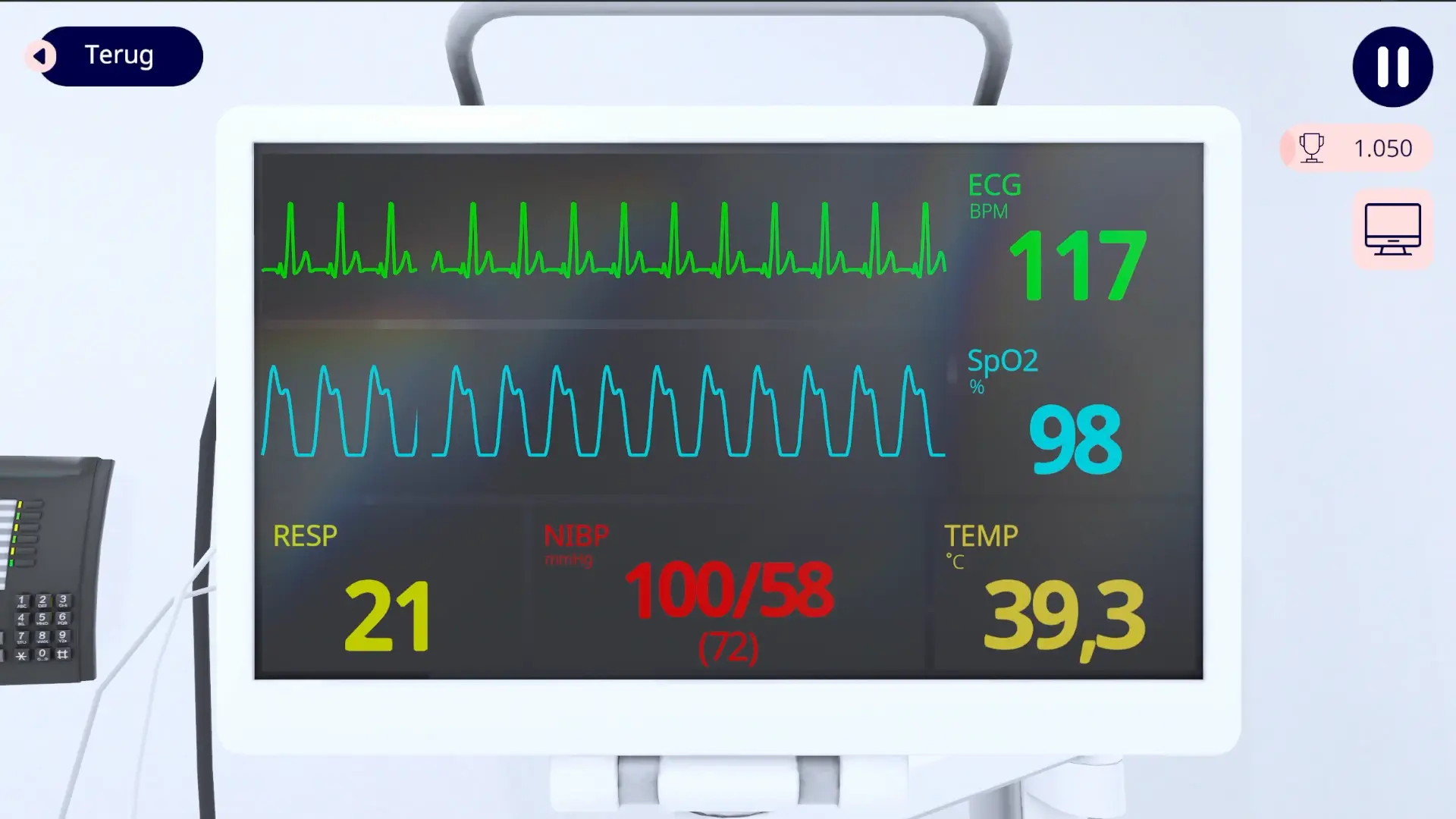
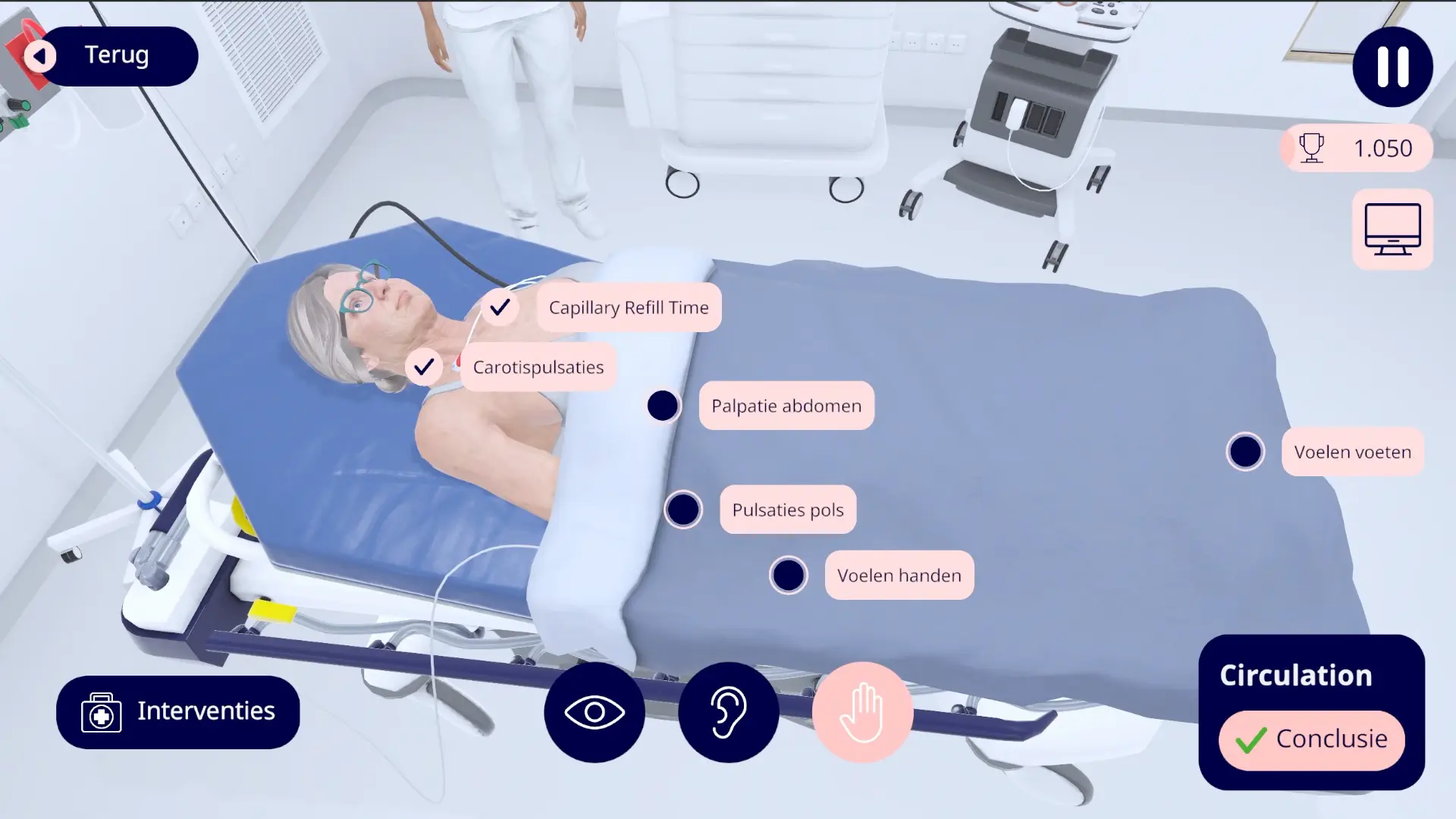
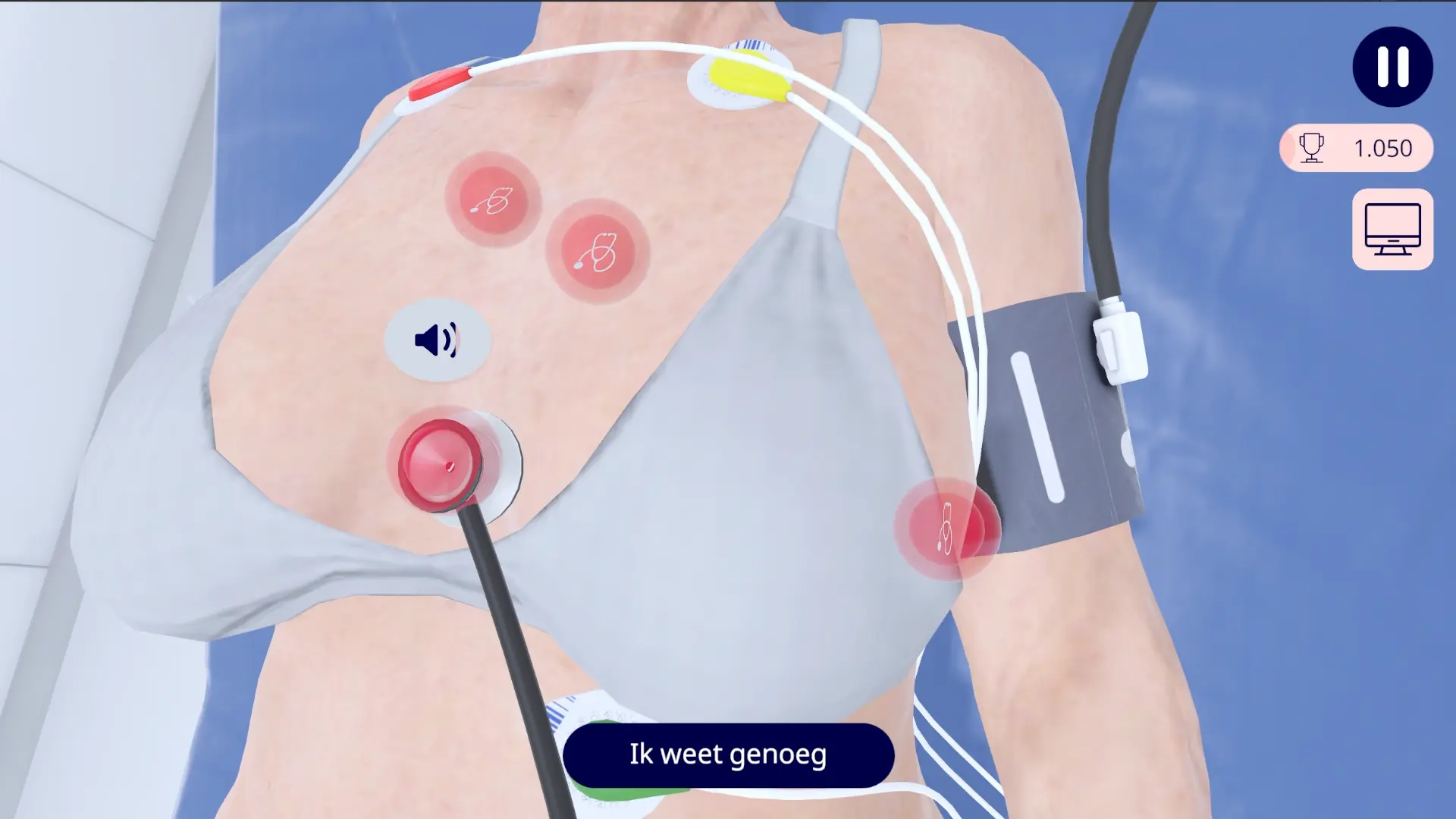
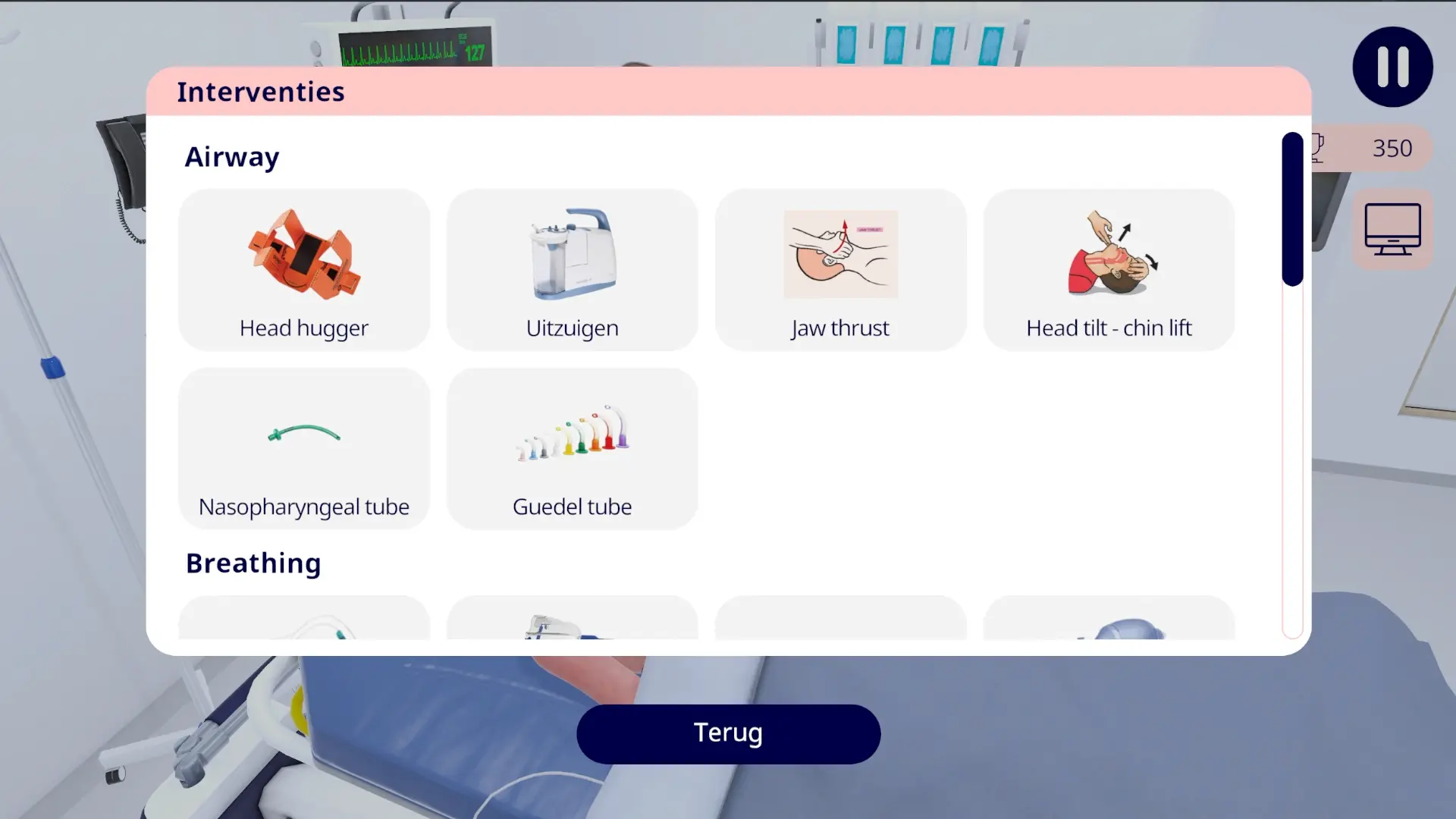
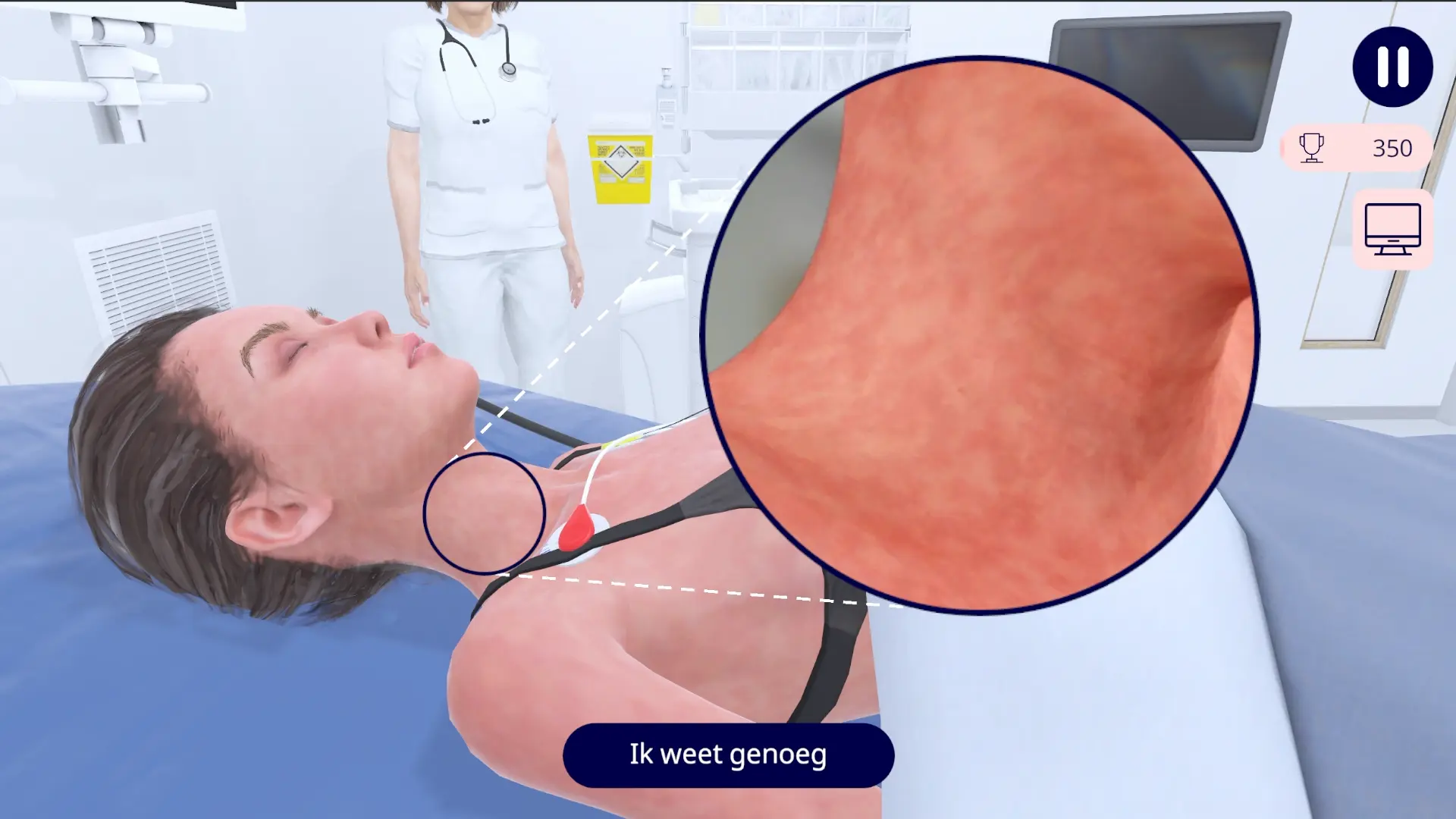
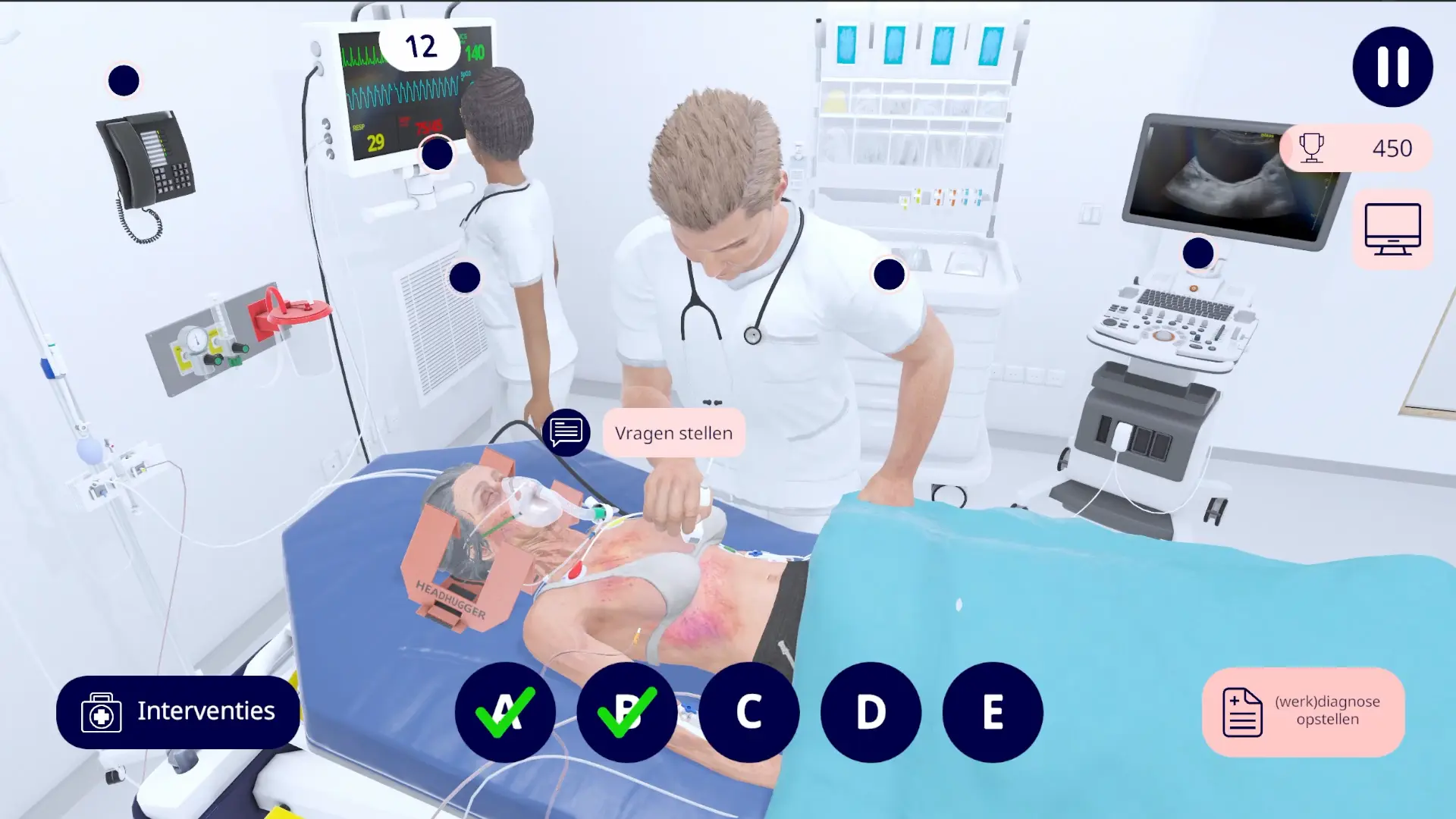
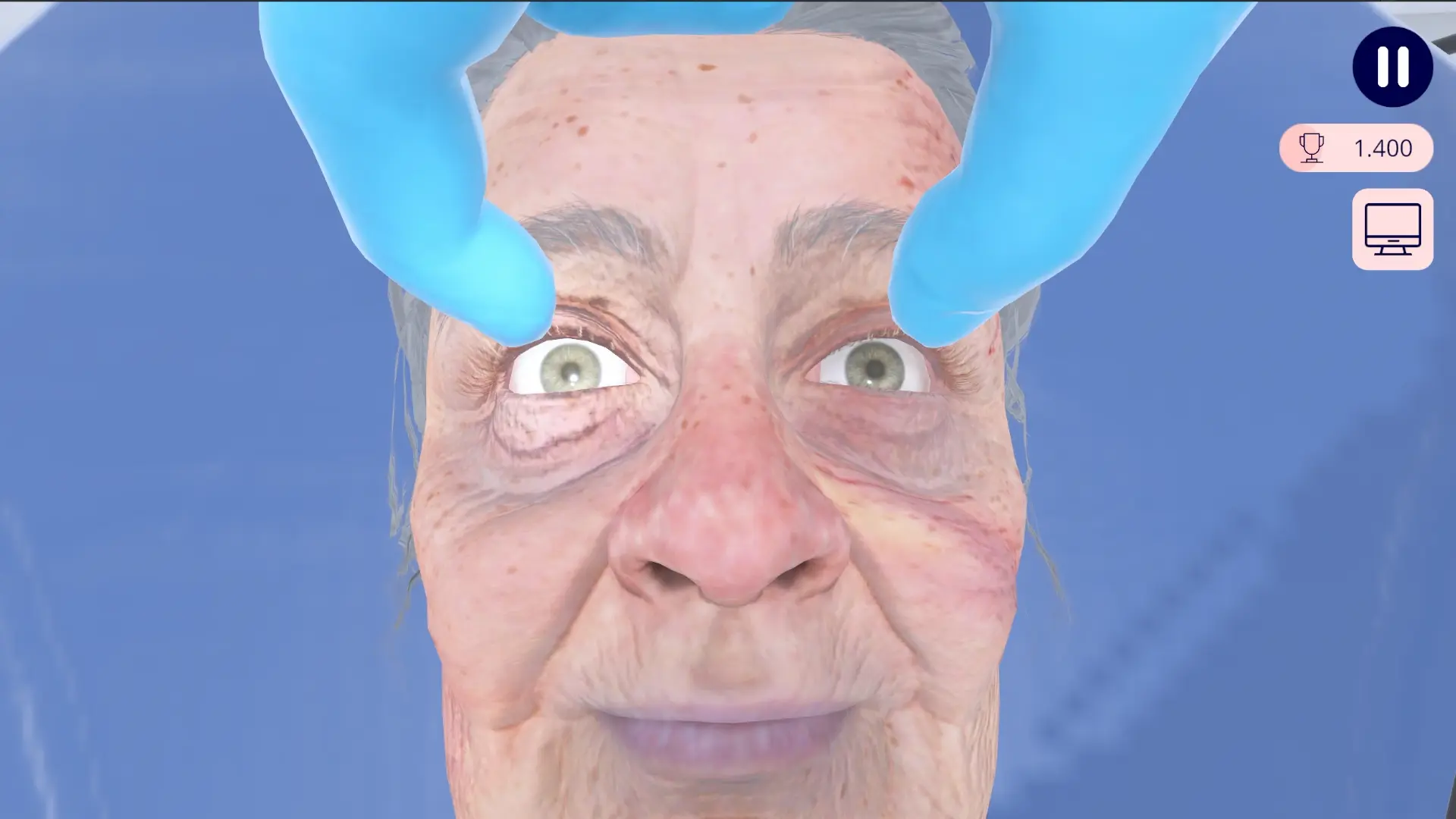
This is what the ABCDE module looks like.

A short tour of the module, and images from the real scenarios. Click an image to view it larger.

01 · the challenge

Knowing the protocol is not the same as mastering it.

Three structural barriers hold mastery back, exactly the barriers that virtual simulation breaks through.

Inconsistent exposure

Emergencies don't happen on schedule. Experience builds up unpredictably, resulting in variable practice.

Limited repetition

Mastery requires frequent, deliberate practice. Clinical placements rarely offer that repetition.

Risk on the job

Learning high-risk skills on real patients holds back the building of confidence.

02 · how you play it

Take the lead in a true-to-life emergency.

Not a passive knowledge test, but active training of clinical skills and team coordination.

  • You're placed straight into an emergency and are responsible for the full management of a critically ill patient.
  • You work through every step, airway, breathing, circulation, disability, exposure.
  • You give orders to a virtual nurse, consult specialists and deploy interventions, under time pressure.
  • After each scenario you get a detailed debriefing with concrete points to improve.
03 · the scenarios

Four cases, increasing in complexity.

From a young, rapidly progressing presentation to trauma and the older patient, each case has its own working diagnosis that you make yourself. We won't give those away here.

patient, scenario trauma
scenario · trauma

Hit while cycling

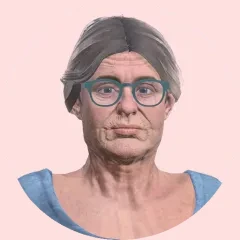
A 79-year-old woman was hit by a car while cycling and brought to the ED. Her temperature is 35.8 °C. Assess her systematically using the ABCDE.

79 yearstraumaED
patient, scenario internal medicine
scenario · internal medicine

General malaise

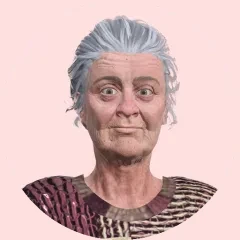
An older woman is referred by her GP with general malaise. Since yesterday, pain around the navel and a temperature of 39.3 °C. History: hypertension and osteoporosis.

feverabdominal painmedication
patient, scenario neuro
scenario · neuro

Found on the floor

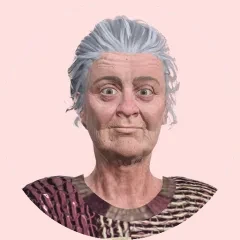
A 70-year-old woman is brought in by ambulance after neighbours, who hadn't seen her for days, found her on the floor in her hallway. She is barely responsive; temperature 30.4 °C. History: TIA and hypertension.

70 yearsreduced consciousnesshypothermic
patient, scenario acute
scenario · acute

Flu-like and confused

A 27-year-old woman with a flu-like presentation: muscle pain, fever (40 °C), chills, nausea and vomiting. She is rapidly deteriorating and seems somewhat confused.

27 yearshigh feverconfused
04 · debriefing

After every scenario: tailored feedback, per ABCDE letter.

Every debriefing builds on the choices you made and has three parts: how complete your first assessment was, general feedback for this scenario, and concrete feedback on your actions, what went wrong or was missed, and why.

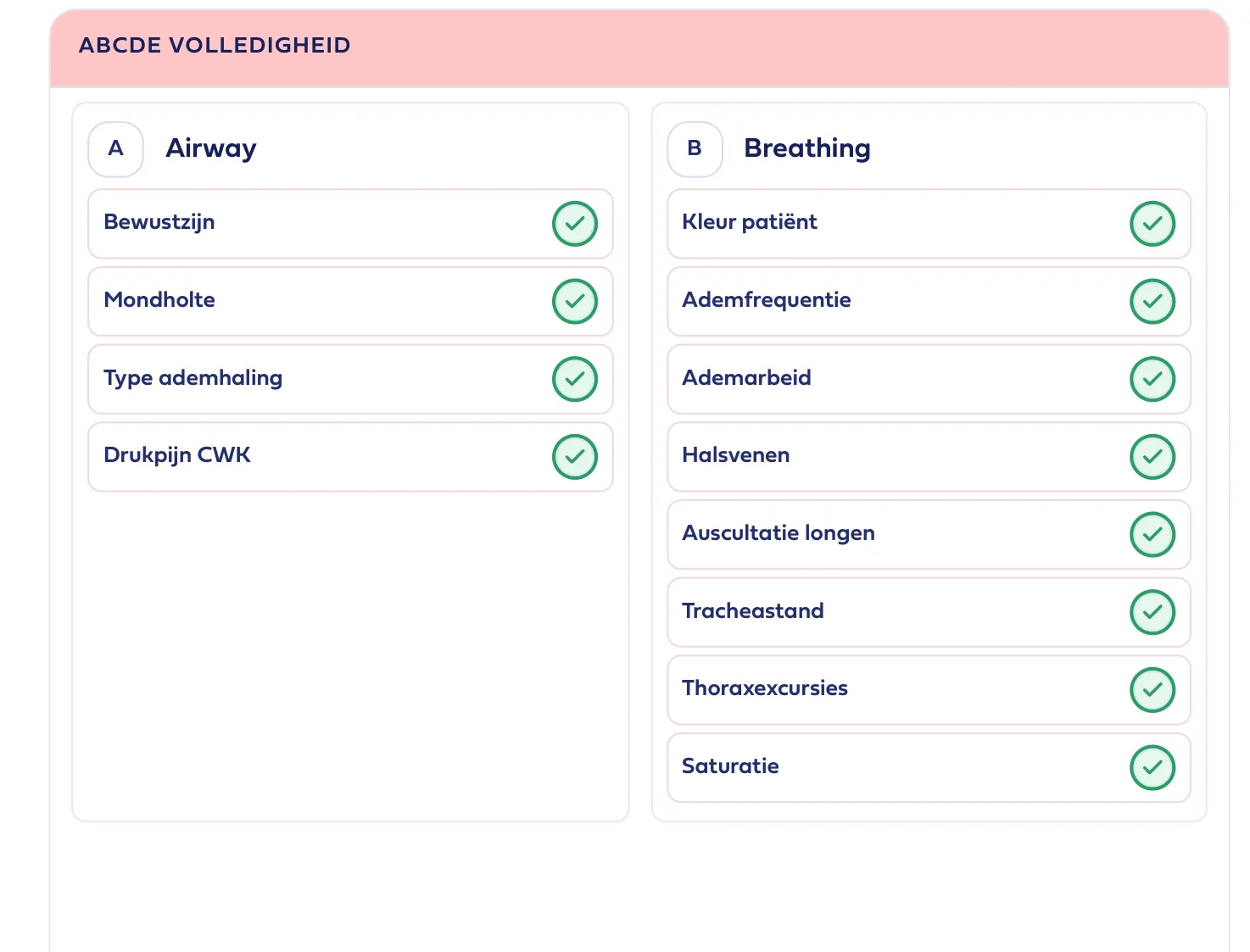
1 · completeness

Did you work through the whole ABCDE? Per element you see what you did and didn't assess, with a score for your first assessment.

example debriefing, ABCDE completeness with green checkmarks per element
2 · general feedback

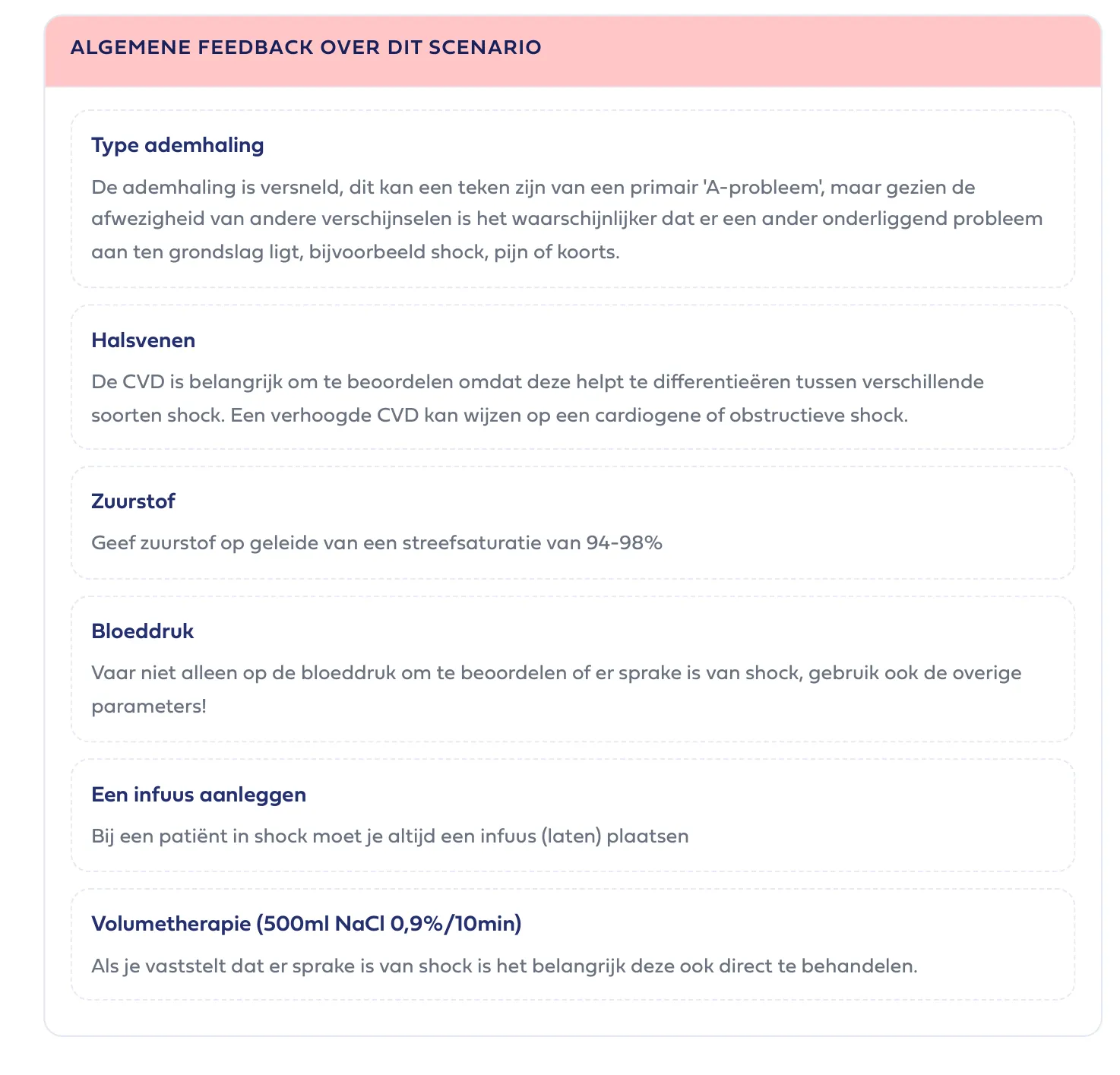
Knowledge and key points for this specific scenario, the reasoning behind the right approach.

example debriefing, general feedback on the scenario
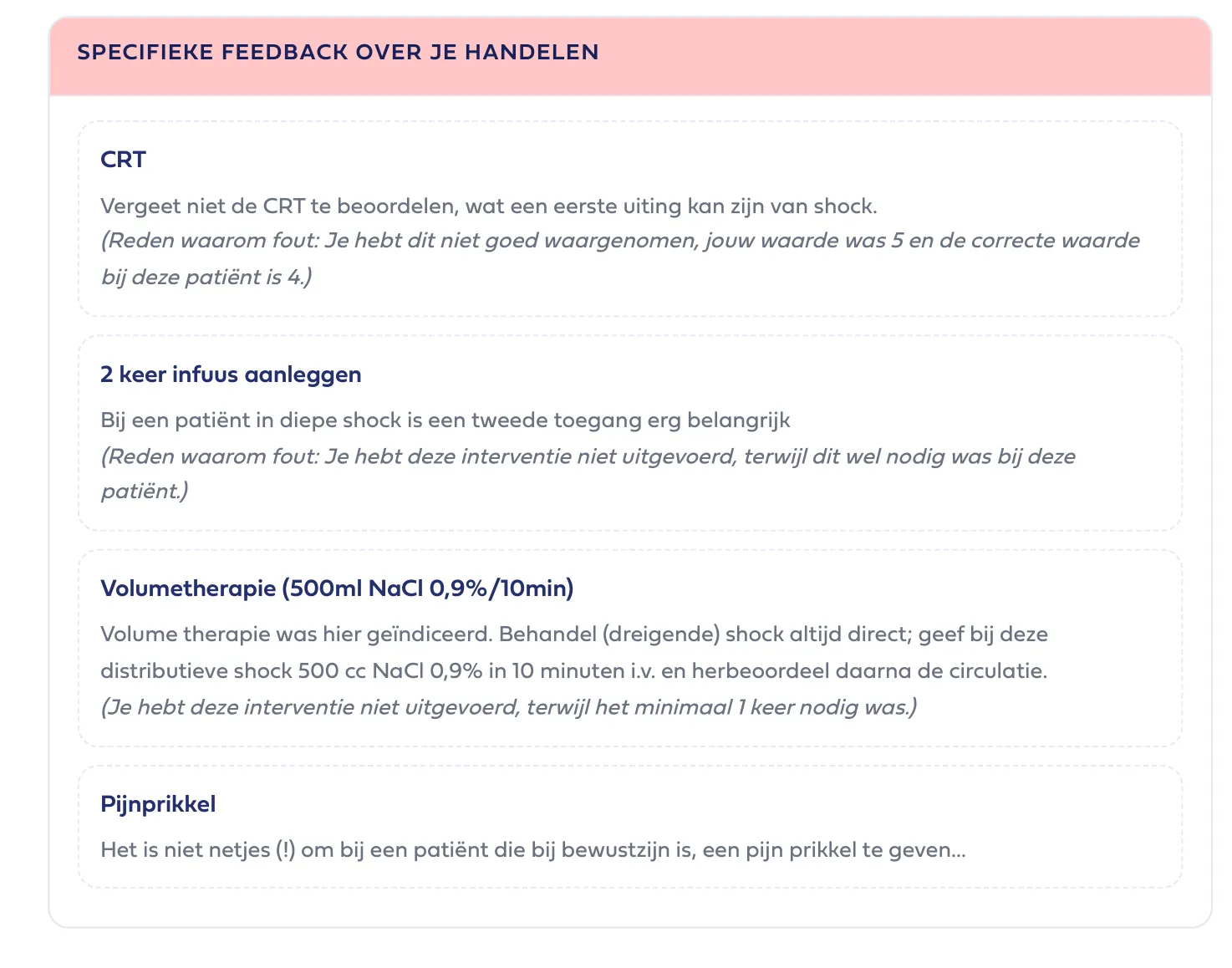
3 · feedback on your actions

Concrete: what went wrong or was missed, and exactly why, linked to your choices and the correct value.

example debriefing, specific feedback on your actions, with reason why incorrect

Real excerpts from an ABCDE debriefing.

05 · learning objectives

What you'll master after this module.

  • Recognising life-threatening situations using the ABCDE structure.
  • Prioritising interventions in a busy emergency setting.
  • Collaborating with team members under time pressure.
06 · why virtual simulation works

Based on proven principles of simulation-based education.

Fail safely

Make mistakes, test strategies and see the consequences, without risk to real patients. Every mistake becomes a learning moment.

Personalised feedback

After every scenario: analysis of your interventions, missed steps and concrete recommendations.

Unlimited practice

Accessible 24/7. Practise as often as needed to reach and maintain competence, the most effective remedy against skill decay.

07 · who it's for

For those first responsible for stabilisation.

(ED) physicians & residents

Train the systematic management of the acutely ill patient and build confidence before and during practice.

ED nurses

Strengthen your role in first response, recognise deterioration early and communicate in a structured way within the team.

Hospitals & institutions

Give teams a safe, repeatable way to keep the ABCDE approach sharp.

See the ABCDE.module live?

In a short demo we'll let you play a real emergency case, and think along about how to use it with your audience.